Haldi Ceremony: Meaning, What You Need & How to Host It
The haldi is the part of an Indian wedding that guests remember for the laughing. A bowl of bright yellow paste, a couple sitting still for about a minute, and then every aunt, cousin and friend taking a turn to smear turmeric on them. It is also a blessing with a long history, and it takes more planning than it looks like, mostly because turmeric stains almost everything it touches.
This guide covers what the haldi ceremony means, what goes in the paste, how the ritual runs, what to wear, and what to ask a venue if you want to host it somewhere other than home.
What Is a Haldi Ceremony?
A haldi ceremony is a pre-wedding ritual in which family and friends apply a paste made from turmeric (haldi in Hindi) to the bride and groom. It is held shortly before the wedding, usually with close family only, and it is one of the first rituals of a Hindu wedding. Many Sikh, Jain, Muslim and Christian families from South Asia keep a version of it too.
What the Haldi Means
Families give several reasons for the ritual, and most hold all of them at once:
- Blessing. Each person who applies the paste is giving the couple their good wishes for the marriage.
- Protection. By tradition, turmeric guards the bride and groom from the evil eye in the days before the wedding.
- Purification. The paste and the bath that follows mark a clean start before the ceremony.
- The glow. Turmeric has been used on skin for centuries, and a haldi is said to leave the couple glowing for the wedding day.
The yellow itself matters. It is the color of the ritual, which is why the clothes, the flowers and often the whole room are yellow.
Other Names for the Haldi
The ritual changes name and detail from region to region. Gujarati families call it pithi. In Bengal it is gaye holud. Punjabi families speak of vatna or maiyan, and Telugu families of nalugu or pellikuthuru. The ingredients, the songs and who goes first all vary, so the best source for your own haldi is the elders in your two families.
When It Happens and Who Comes
The haldi is usually held a day or two before the wedding, and in some families on the wedding morning. Traditionally the bride and the groom each had a separate haldi at their own family home. Many couples in the United States now hold one joint haldi so that guests who have traveled can be at both.
It is the smallest event of the wedding. For a wedding of 250 guests, a haldi of 30 to 60 close family and friends is typical. Our guide to planning a multi-day Indian wedding in Texas shows how the haldi fits beside the mehndi, the sangeet and the wedding day.
What Goes in the Paste
Every family has its own recipe. The common base is:
- Turmeric powder
- Gram flour (besan) or sandalwood powder, to give the paste body
- Rose water, milk or yogurt, to loosen it
- Sometimes a little oil, such as mustard or coconut
Make more than you think you need, because guests are generous with it. If either of you has sensitive skin, test a little of the paste on your arm a few days ahead.
How the Ceremony Runs
- The couple is seated on low stools or a decorated bench, often under a canopy of marigolds.
- The elders begin. In most families married women and elders apply the paste first, to the face, arms, hands and feet. Some families use mango leaves or blades of grass to apply it; others use their hands.
- Everyone else follows: parents, siblings, cousins, then friends. This is where it stops being orderly.
- The guests get some too. In many families the couple dabs paste on unmarried friends and cousins, which is said to bring them a good match.
- Songs, photos and food. Traditional songs or a playlist run through the ritual, and a meal usually follows.
- The bath. The couple washes off the paste and changes. In some traditions they then stay home until the wedding.
What to Wear
The couple: yellow or white, in something simple that you are willing to give up. Turmeric does not wash out of most fabric. Many brides wear floral jewelry made of fresh or fabric flowers, which photographs well and costs little to lose. Take out contact lenses, and know that gel or acrylic nails can pick up a yellow tint.
Guests: yellow, orange or other bright colors, and not your best outfit. Put a line on the invitation saying that things will get messy, so nobody arrives in silk.
Haldi Supply Checklist
- The paste, in several small bowls so more than one person can reach it
- Mango leaves or small brushes, if your family applies it that way
- Low stools or a bench for the couple
- Floor covering under and around the seats: tarps, plastic sheeting or old sheets
- Old towels, wet wipes and a change of clothes for the couple
- Marigolds and yellow flowers for the backdrop
- A speaker and a playlist, or someone to lead the songs
- Shade if you are outdoors: a canopy, a tent or umbrellas
- Water, drinks and a meal or snacks for guests
- A photographer who knows turmeric will get on the equipment
Hosting a Haldi at a Venue: What to Ask
Most haldis happen at home. Families move them to a venue when relatives are staying in hotels, when the house is too small, or when they want every event of the wedding in one place. If that is you, ask these questions before you book:
- Where can the ritual be held? Outdoors is easiest. Indoors, ask which rooms are allowed and what the floors and walls are made of.
- How should surfaces be protected? Agree on floor covering in advance, and ask who is responsible if something stains.
- Where do the bride and groom wash up? They need a private bathroom and a place to change, close to the ritual.
- What else is allowed? Some families add flower petals, water or colored powder. Ask about each one by name.
- Can we bring our own food and music? Check the catering and sound rules for a small daytime event, not only for the reception.
- What is the plan for weather? A Texas summer morning gets hot fast, and spring brings storms. Ask about shade and an indoor backup.
- Can we book the days around it? If the sangeet and wedding are at the same venue, ask how decor and setup carry over between days. Our sangeet, mehndi and baraat venue guide covers the questions for those events.
A Haldi at Primrose Hill
Primrose Hill is an elegant barn venue on 20 private acres in Van Alstyne, just north of McKinney. Here is what that means for a haldi:
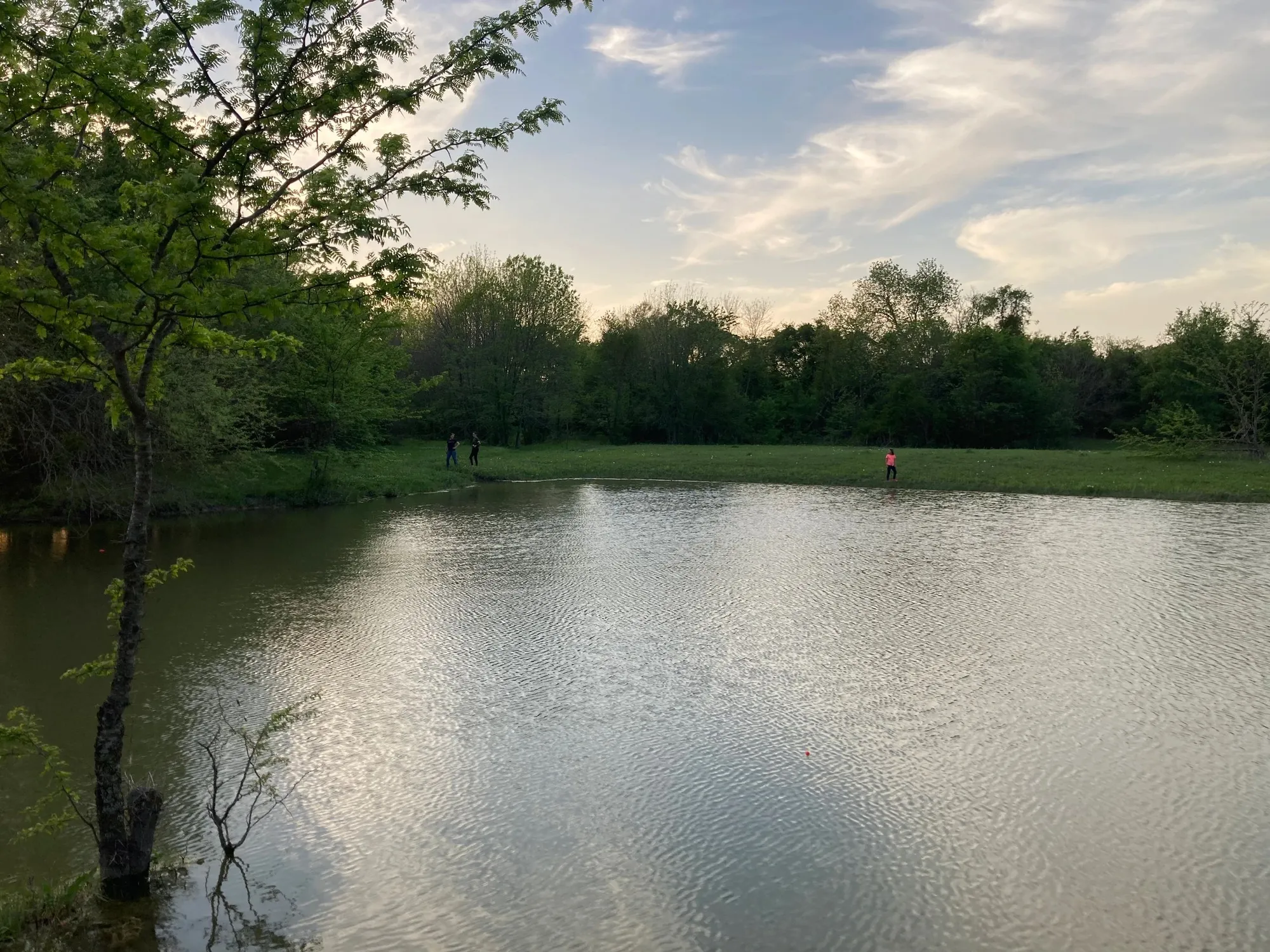
- Room outdoors. The grounds give you space to hold the haldi in the open air, with the countryside as the backdrop.
- The property to yourselves. We book one event per day, so no other party shares the grounds.
- Consecutive days. You can reserve the days before the wedding for the haldi, mehndi and sangeet, and we plan the hours for each event with your family.
- A place to wash and change. The bridal suites and the groom's suite have private full baths and keypad entry.
- Your caterer. Outside South Asian caterers are welcome with venue approval, and the kitchen is set up for vendor storage, prep and setup.
- Your music. The in-wall sound system connects to a personal playlist.
- A weather backup. The barn is climate-controlled.
On your tour, tell us how you picture the haldi: the paste, the flowers, any water or color. We will plan where it goes and how the space is protected before the day, so nothing is a surprise.
Frequently Asked Questions
What is the purpose of the haldi ceremony?
The haldi is a blessing. Family members apply a turmeric paste to the bride and groom before the wedding to wish them a happy marriage, to mark the start of the wedding rituals, and, by tradition, to protect them from the evil eye. Turmeric is also valued for the glow it is said to give the skin.
Who applies the haldi to the bride and groom?
In most families, married women and elders go first, followed by parents, siblings, cousins and friends. Customs differ by region and by family, so ask the elders on both sides who should begin.
Can the bride and groom have their haldi together?
Traditionally each family held its own haldi at home, and the couple did not see each other until the wedding. Many couples in the United States now hold one joint haldi so that both families and their traveling guests can share it. Either way is common; decide with your families.
How do you get haldi stains off your skin?
Turmeric usually fades from skin within a day or two. Washing with a mild cleanser and then rubbing in a little oil or milk helps lift the color. Fabric is harder: turmeric can stain clothing, upholstery and light surfaces permanently, which is why families wear clothes they do not mind staining and cover the area where the ritual takes place.
How long does a haldi ceremony last?
The ritual itself is short, often well under an hour. With music, photos and a meal, most families plan a relaxed morning or afternoon around it.
Can you host a haldi at a wedding venue?
Yes, if the venue has a suitable space and you plan for the turmeric. Ask where the ritual can be held, how surfaces should be protected, and where the couple can wash and change afterward. At Primrose Hill in Van Alstyne, the 20 private acres give families room to hold a haldi outdoors, the getting-ready suites have private full baths, and consecutive days can be booked for the haldi, sangeet and wedding.
See the Grounds for Yourself
Bring both families and walk the property. See our Indian weddings page for how the baraat, mandap and multi-day events work here, then book a free tour of Primrose Hill in Van Alstyne.